Types of Hijabs: 10 Hijab Styles & Fabrics Explained
The main types of hijab are the shayla, square hijab, pashmina, khimar, al-amira, instant (one piece) hijab, sports hijab, turban hijab, printed hijab and chador. Most fall into two groups: wrap styles that you fold and pin yourself, and ready-to-wear styles that are already sewn into shape.

The first is wrap styles. These are made from a flat piece of cloth. You fold it the way you like, wrap it around your head, and pin it if needed. Shayla and square hijabs are the best-known examples.
The second is ready-to-wear styles. These are already sewn, so there is nothing to fold or arrange. You put it on and the shape is already there. Instant hijabs and khimars are the most popular in this group.
Which hijab style suits you comes down to three things: how much time you want to spend getting ready each morning, how much coverage you prefer, and which fabric feels right for your climate and daily routine.
This guide covers the 10 main types of hijab by name, the fabrics they come in, what a hijab actually is, the difference between hijab and niqab, and how to pick the style that fits your life.
Shop the types we carry: instant hijabs · modal hijabs · printed hijabs · jersey hijabs · chiffon hijabs · sports hijabs · hijab caps
Types of Hijabs at a Glance
Here are the 10 types of hijabs in this guide side by side, so you can compare them quickly.
Type of hijab |
How it's worn |
Pins? |
Best for |
Shayla |
Long rectangle, wrapped and draped |
Usually 1–2 |
Everyday wear, styling many ways |
Square hijab |
Folded into a triangle, then wrapped |
Usually 1–2 |
A neat frame with volume at the crown |
Pashmina |
Long, wide and soft, wrapped loosely |
Usually 1 |
Cool weather |
Khimar |
Sewn, pulled over the head, falls to the chest or lower |
None |
Full coverage, prayer |
Al-amira |
Two pieces: a fitted cap plus a tube scarf |
None |
Quick wear, school |
One piece, sewn into shape, pulls on |
None |
Beginners, busy mornings, travel |
|
Light, breathable, made for movement |
None |
Gym, running, training |
|
Turban hijab |
Wrapped and tied at the back or crown |
Optional |
A fashion look, warm days |
Any wrap style, cut from patterned fabric |
Usually 1–2 |
Adding pattern to a simple outfit |
|
Chador |
Full-length cloak over the head and body |
Held by hand or a clip |
Full-body coverage |
First: What Is a Hijab?
The word hijab comes from Arabic and means "to cover". In practice, a hijab for women is a headscarf that covers the hair, ears and neck while leaving the face fully visible. Many Muslim women wear hijab as part of their religious practice, and for many it is also simply part of everyday dress, which is why hijab styles, designs and fabrics are now so widely available. For a fuller answer, read what a hijab is and why it is worn.
Hijab vs. Niqab vs. Burqa: What's the Difference?
Many people assume hijab, niqab and burqa mean the same thing.

There is a clear difference between the three.
Garment |
What it covers |
Face visible? |
Hijab |
Hair, ears and neck |
Yes, the whole face is visible |
Niqab |
Hair, neck and the lower face |
Only the eyes are visible |
Burqa |
Full body and full face |
No, there is a mesh screen over the eyes |
The rest of this guide covers hijab and the garments worn with the face uncovered.
Different Types of Hijab: The 10 Main Hijab Styles
These are the main hijab types and the different hijab style names you will see in stores. Some are loose hijab styles that drape freely, like the shayla and pashmina; others are fitted or sewn into shape, like the al-amira and the instant hijab.
1. Shayla
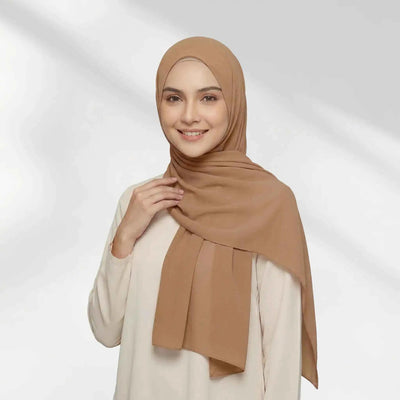
A shayla hijab is a long rectangular scarf, usually around 70 × 26 inches. It wraps around the head and drapes over the shoulders, with a pin or two if you want it secure. The style is popular across the Gulf, and it is one of the easiest for beginners because a rectangle falls into place naturally. If you like styling the same scarf several different ways, this is the one. Our modal hijabs are long rectangles, so they wrap exactly this way.

2. Square Hijab
A square hijab is usually 45 × 45 inches and gets folded into a triangle before wearing. The style is popular in Turkey. The fold creates a neat frame around the face and adds a little volume at the crown. It takes some practice, and it's easier to style over a hijab cap with a pin. If you have not used one before, our hijab cap guide explains what it does.
3. Pashmina Hijab
A pashmina hijab is long and wide, made from a softer, slightly heavier fabric. That weight is what gives it a full, relaxed drape. It suits winter and cool weather, which is why many people rotate to a lighter fabric in summer.
4. Khimar
A khimar is a long, loose, sewn head covering that falls from the head to the chest, and some designs reach the waist or knees. There is no wrapping or styling involved; you pull it over your head. If coverage is your priority, this is the fullest option among head coverings, and many women find it comfortable for prayer.
5. Al-Amira
An al amira hijab is a two-piece set: a fitted hijab cap first, then a tube scarf over it. The name means "princess" in Arabic. It goes on quickly with no pins, which makes it a common choice for school. Many women now prefer an instant hijab instead, because it gives the same ease in a single piece with no separate cap or tube scarf to manage.
6. Instant Hijab (One Piece / Pull-On)
A one piece hijab is sewn into its finished shape, with the face frame already built in. You pull it on over your head, with no pins, no wrapping and no separate hijab cap. A neat look takes about five seconds. Most instant hijabs cover to the chest.

The reason instant hijabs have become so popular is simple: they make busy mornings easier. They suit anyone new to wearing hijab, office days, school runs and travel alike. They fold flat for a bag. Alongside solid colors, printed designs are now widely available, so there is plenty to choose from.
7. Sports Hijab
A sports hijab is made for movement. The fabrics are light and breathable, and the fitted shape means there's nothing loose to rewrap mid-workout. Some are pull-on styles; a stretchy jersey hijab worn over a hijab cap works well too, because the knit has a natural grip. If you exercise regularly, either is far more comfortable than wrapping a regular scarf tightly. Our sport hijab guide covers how to choose one for workouts and running.
8. Turban Hijab
A turban hijab wraps the hair and ties at the back or the crown instead of draping down. It's a fashion-forward look that often leaves the neck and ears showing, so many women wear it over a turtleneck or with a hijab cap and neck cover when they want full coverage. A long modal or jersey scarf works best because it ties easily. Our turban hijab styles guide shows how to wrap one step by step.
9. Printed Hijab
A printed hijab isn't a separate wrap, it's any hijab cut from patterned fabric: florals, leopard print, marble, watercolor and more. Most are long rectangles, so you wear them like a shayla. A print is the easiest way to add interest to a plain outfit, and a neutral print still goes with almost everything. See our printed modal hijabs for soft modal in patterned designs.

10. Chador
A chador is a full-length cloak that covers the head and the whole body, open at the front and held closed by hand or with a clip. The face stays visible. It's most common in Iran, usually in black, and is often worn over a smaller headscarf. It covers far more than a headscarf, so it's a garment of its own rather than a hijab style you wrap.
Popular Hijab Styles: How Each One Is Worn
The types above are what you buy. Hijab styles are how you wear them. Most everyday looks come from five wraps, and a long rectangular hijab, like a shayla, works for all of them. For more looks with photos and step-by-step notes, see our guide to hijab styles.
Hijab style |
How it looks |
Easiest fabric |
Good for |
Throw-over |
Centered on the head, long side draped over the opposite shoulder |
Jersey or modal |
Quick mornings and beginners |
Classic wrap |
Wrapped around the neck and pinned at the shoulder |
Modal or chiffon |
Work, school and daily wear |
Chest coverage drape |
Long side falls loose across the chest and is pinned at the opposite shoulder |
Modal or chiffon |
Full coverage and prayer |
Side pin |
Pinned behind the ear or along the jawline instead of under the chin |
Chiffon or printed modal |
Weddings and events |
Turban |
Wrapped and tied at the nape, neck left open |
Jersey |
Casual looks and warm days |
Each style takes under two minutes once you have done it twice. Our step-by-step hijab tutorials walk through all five, our face shape guide shows which hijab styles suit round, oval and square faces, and our hijab color guide helps you match colors to your skin tone.
Hijab vs Turban, Shayla and Other Types of Headscarves
Not every headscarf is worn the same way. The main difference between a hijab vs turban is coverage: a hijab covers the hair, ears and neck, while a turban wraps the hair and often leaves the neck showing. A shayla is one hijab style rather than a separate garment: a long rectangle wrapped and draped over the shoulder. For a side-by-side look at these types of headscarves, read hijab vs shayla vs turban vs headscarf.
Hijab Fabrics: Fabric Matters as Much as Style

Two hijabs in the same design can feel completely different depending on the fabric. So when you are choosing, look past the style to the fabric itself. Here are the ones you will come across most often. For a side-by-side comparison, see our guide to hijab fabric types.
Chiffon: light, slightly sheer, and it falls beautifully. It photographs well and looks polished worn, which is why many people choose it for weddings, Eid and other occasions. It's a little slippery, so a hijab cap underneath and a few pins make it easier to style. If you want a formal finish, chiffon hijabs are a strong choice.
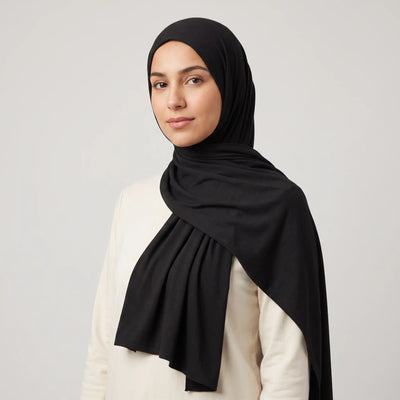
Jersey: soft with a little stretch and a natural grip, so simple wraps come together quickly. That makes it a favorite for everyday wear and one of the easiest fabrics for beginners. A heavier jersey can feel warm on hot days. See the jersey hijab collection for everyday designs.
Modal: breathable, softer than cotton, with a fluid drape that looks natural and neat. It works comfortably almost year round. If you want something light but polished for daily wear, modal hijabs are worth a look. For pattern on the same soft fabric, see our printed modal hijabs.
Cotton: when it comes to summer comfort, cotton comes first. It lets air move, it is easy to manage, and the matte finish gives a clean, natural look. At Wazi Empire cotton appears as cotton jersey: the same breathability, with a little stretch and a natural grip. You will find those in the jersey hijab collection.
Polyester and spandex blends: the fabric behind most modern instant hijabs. Polyester holds bright digital prints well, while spandex gives stretch in every direction, so the hijab pulls on easily and springs back into shape. That combination is why a printed instant hijab keeps its design looking sharp.
Choose a Hijab That Suits Your Lifestyle
There is no single best hijab for women, and no rule that says you need every type. Most women settle on a few styles that match their routine. Here is how to narrow it down.
- New to wearing hijab: start with an instant hijab if you want no technique at all, since it looks neat the first time. If you want to learn wrapping, a jersey hijab set is the easiest wrap style, thanks to the knit's natural grip. Our step-by-step guide on how to put on a hijab walks you through five easy wraps.
- Short on time in the morning: an instant hijab is the fastest option for weekdays. On days when you have more time, a shayla or pashmina lets you style something different.
- You want more coverage: a khimar, or an instant hijab that falls to the chest, covers the head, neck and chest well.
- You like styling several ways: shayla, square and printed hijabs give you the most freedom. One scarf, many looks.
- For events and occasions: chiffon is beautiful on the day, and our bridal hijab guide covers wedding fabrics, colors and styles. If you would rather not fuss, an instant hijab with a print works just as well.
- If you exercise: use a sports hijab. It feels light and stays comfortable for hours.
For example, our floral instant hijabs range from everyday neutrals to festive shades, so the same style carries from a weekday morning to an evening event.
Ready to find the hijab that fits you? Explore the full hijab collection at Wazi Empire: modal, jersey, chiffon, printed modal, instant and sports hijabs, all in one place. Solid modal, jersey and plain chiffon hijabs come as a set with a free hijab cap, orders over $35 ship free from Atlantic City, New Jersey, and every purchase has 30-day free returns.